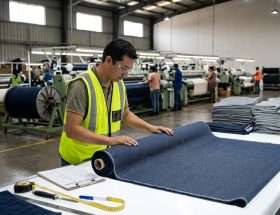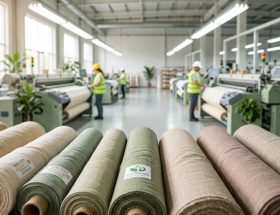

The global textile industry is undergoing a profound transformation, and at the heart of this shift is a vital commitment to sustainability. As consumers become increasingly conscious of the environmental footprint of their purchases, textile manufacturers and brands are stepping up to redefine how fabrics are sourced, produced, and distributed.
Why Sustainability is No Longer Optional For decades, traditional textile manufacturing relied heavily on resource-intensive processes. Today, the narrative has changed. Sustainable textile production focuses on minimizing water usage, reducing carbon emissions, and eliminating toxic chemicals from the supply chain. This is not just an environmental imperative; it is a business necessity to meet the demands of a modern, eco-conscious market.
Key Pillars of Eco-Friendly Textiles
- Recycled Materials: The integration of recycled polyester and reclaimed cotton significantly reduces the need for virgin resources.
- Ethical Sourcing: Ensuring fair labor practices and safe working conditions across all manufacturing facilities.
- Water Management: Utilizing closed-loop systems that recycle water and prevent harmful dyes from entering local ecosystems.
By prioritizing sustainable practices, the textile industry is not only protecting the planet but also delivering superior, responsibly crafted products to consumers. Investing in eco-friendly textiles means investing in a greener, more resilient future for fashion.