In the highly competitive world of apparel and textiles, a brand’s reputation hinges on a single, uncompromising factor: quality. Whether it is the softness of a cotton blend or the durability of industrial wear, rigorous quality control (QC) is the backbone of successful textile manufacturing.
The Anatomy of Superior Fabric Quality cannot be inspected into a product; it must be built into it from the very beginning. This process starts with the careful selection of raw materials. High-grade yarns and fibers are essential to prevent premature wear, pilling, or color fading.
Essential Quality Control Stages
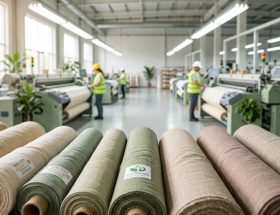
- Pre-Production Inspection: Evaluating raw materials (yarns, dyes, and raw fabrics) before manufacturing begins to catch inherent defects early.
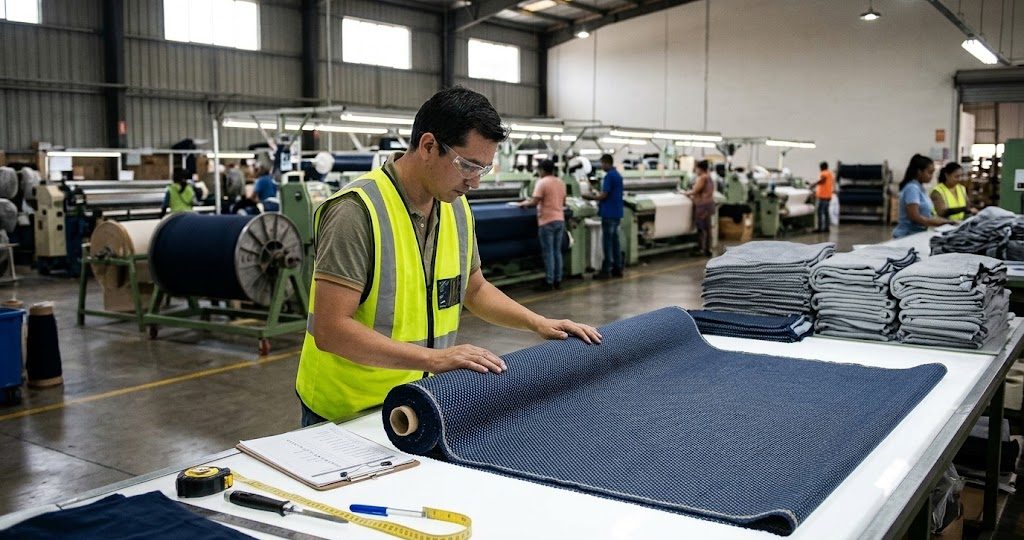
- In-Line Inspection: Monitoring the weaving, knitting, and dyeing processes in real-time to ensure consistency in color matching and fabric weight.
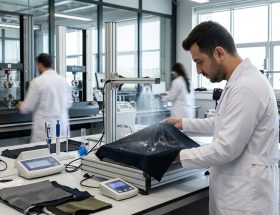
- Final Quality Audit: A comprehensive review of the finished textiles, testing for tensile strength, shrinkage, and wash-fastness.
When textile providers implement stringent QC protocols, they eliminate waste, reduce return rates, and most importantly, build unwavering trust with their clients. Excellence in textiles is never an accident; it is the result of intelligent effort and strict attention to detail.